By Fr. Jerry Lohera, Pakistan
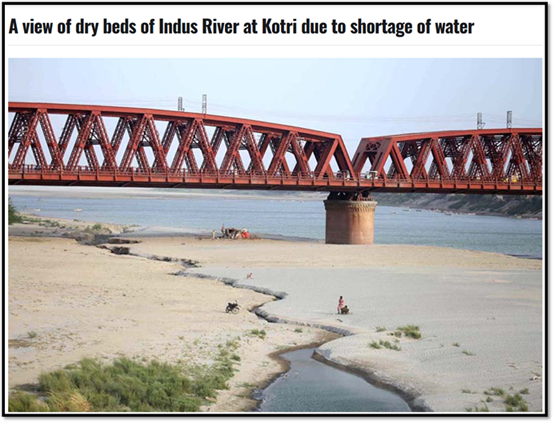
Just across the bridge spanning the waters of the Indus River lies Kotri, a small town on the outskirts of Hyderabad City. Built during the British colonial era, the bridge has stood for 126 years.
The waters of the Indus River have been a lifeline for tens of millions of people over the past five centuries. From the melting glaciers of the upstream Himalayas, the river reaches the arid land of Sindh before finally meeting the saltwater of the Arabian Sea.
Our pastoral house is situated just a few metres from the mighty river. We do not have a problem with water here, unlike numerous places in Sindh. From the main Indus channel, the water has been subdivided into smaller seasonal streams and drainage channels, which are particularly important for the Indus Delta, wetlands, fisheries, agriculture, and the control of seawater intrusion. These smaller seasonal streams stretch to far-flung, desert-like villages, where, when they reach there, barely supply people’s needs for drinking and watering their crops.
Due to the scarcity of water, caused largely by irregularities in water distribution and inefficient management, poor people in remote villages have no choice but to drink whatever kind of water they can get, which is by and large fatal to their health.
Where water flows, the ecosystem and life thrive. We are lucky to be at the bosom of the Indus River. The breeze that sweeps across the water is cooler, offering some relief especially from the scorching heat of summer. Flowers, trees, vegetables, and animals find it easier to thrive here. Every day, a public market just opposite the house sells fresh vegetables, fish, and fruits, proud produce of the waters of the Indus. Seeing fishermen on the Indus River is a daily sight close to my heart, because I grew up fishing.
Unfortunately, due to extreme weather conditions and unregulated waste disposal, particularly from industries, the river’s ecosystem has been suffering and is continually threatened. St. Paul reminds us: “The creation waits with eager longing for the revealing of the sons of God. For the creation was subjected to futility, not willingly, but because of him who subjected it, in hope that the creation itself will be set free from its bondage to corruption and obtain the freedom of the glory of the children of God. For we know that the whole creation has been groaning together in the pains of childbirth until now. And not only the creation, but we ourselves, who have the first fruits of the Spirit, groan inwardly as we wait eagerly for adoption as sons, the redemption of our bodies.” This calls for a collective prophetic response.
There are tens of thousands of “Indus Rivers” in the world and some of them are very close to our hearts because they leave an imprint in our lives. We have a moral duty to bring our rivers back to life. By initiating or continuing reforestation in our denuded mountains, using biodegradable materials, organic gardening, spearheading environmental advocacy in our communities and taking many other small but meaningful steps, we can begin to be reconciled with our wounded rivers, oceans, and mountains.
Despite the pains of “negligence,” the Indus continues to nurture and nourish lives, including mine, without asking anything in return. I believe the Indus―and creation itself―is only asking us for one thing: have a sense of care not out of obligation but out of genuine concern, to translate that care into small but faithful actions.
Featured Image above: https://www.app.com.pk/photos-section/a-view-of-dry-beds-of-indus-river-at-kotri-due-to-shortage-of-water/